Elements
This full-page word search puzzle is themed. It hides 15 listed wordsAluminum, Calcium, Carbon, Copper, Gold,
Helium, Hydrogen, Iodine, Iron, Mercury,
Nickel, Oxygen, Silver, Sodium, Zinc related to the general theme of Elements in a large 22×20 letter grid. An additional 9 randomBlab, Bold, Cowboy,
Elan, Mallet, Rented,
Subdue, Vamp, Wrath and unlisted words are also hidden in the grid. The solution is provided.
Fun Facts About Elements
- Aluminum is the most abundant metal in Earth's crust, making up about 8.2% by weight. But it used to be exceptionally difficult to refine from its ore, so was once rarer and more expensive than gold. Napoleon III famously reserved aluminum plates and cutlery for his most honored guests, while others got just gold.
- Calcium is the most abundant mineral in the human body (about 2.5 pounds). Almost all of it is stored in your bones and teeth, with a small percentage reserved for critical metabolic funtions like nerve transmission, muscle contraction and blood clotting.
- Carbon is often referred to as the "duct tape of life" because it forms the backbone of all known life on Earth. It can create over 10 million different compounds, more than any other element.
- Copper is naturally antimicrobial. Surfaces made of it can kill more than 99.9% of bacteria and fungi on contact. That's why hospitals sometimes use copper doorknobs and bed rails.
- Gold is so malleable that a single ounce can be stretched into a wire over 50 miles long or hammered into a sheet thin enough to cover about 1,000 square feet.
- Helium is the only element that was discovered in the Sun before it was found on Earth. It was first detected in the solar spectrum during a 1868 eclipse.
- Hydrogen is the most abundant element in the universe, comprising roughly 75% of all normal matter by mass. It acts as the primary fuel for stellar fusion.
- Iodine is essential for thyroid hormones. The addition of tiny amounts of iodine to table salt (creating iodized salt) has prevented millions of cases of goiter and intellectual disabilities worldwide since the early 20th century.
- Iron is what gives blood its red color. Without hemoglobin containing oxygen-binding iron, blood would be a different hue (like the blue blood of octopuses and horseshoe crabs that use copper instead).
- Mercury is the only metal that is liquid at room temperature.
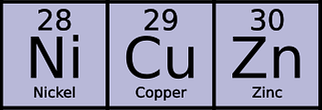
- Nickel derives its name from a German term meaning "goblin's copper" because miners originally thought nickel ore was worthless copper ore cursed by a goblin.
- Oxygen is the gas we breathe, making up about 21% of the air. But for the first 2 billion years, Earth had almost none.
- Silver is the best electrical conductor of any element, even better than copper. That's why it's used in high-performance electronics despite being more expensive.
- Sodium and potassium work together as vital electrolytes to power nerve impulses. When a nerve fires, sodium ions rush in to create the electrical signal, then potassium helps reset it. This mechanism is essential for proper muscle contraction, heart rhythm and brain function.
- Zinc is vital for your sense of taste and smell. People with zinc deficiency often temporarily lose these senses.
The puzzle is printer-friendly. As long as your computer can open PDF files and your printer is loaded with standard 8.5" × 11" paper, you are all set to start solving.
Note: click the [direct link] below the embedded PDF file if you have trouble printing. The file should then directly download and open on your device. You can print it from there.