Computer B-Words
This full-page word search puzzle is themed. It hides 15 listed wordsBackbone, Backup, Bandwidth, Basic, Batch File,
Baud, Binary, Bios, Bit Rate, Bitmap,
Bluetooth, Boolean, Buffer, Bus, Byte related to the general theme of Computer B-Words in a large 22×20 letter grid.
In other words, the list of search terms all start with the letter B and are related to computers.
An additional 9 randomAnchor, Befell, Blimp,
Blurry, Jetty, Sample,
Sinus, Sully, Yoked and unlisted words are also hidden in the grid. The solution is provided.
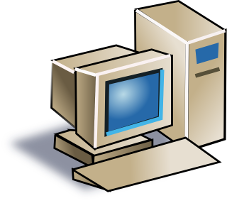
Remembering CRT Computer Monitors
- CRT (Cathode Ray Tube) monitors were basically small TVs. Both used the same technology of shooting electron beams at phosphor-coated screens to create images.
- Early CRT monitors in the 1980s–1990s weighed a ton. A typical 17-inch monitor was easily 35–40 pounds.
- If you touched or placed your hand near a CRT computer screen, it would make your arm hair stand up due to high-voltage static electricty. You also got a tingling feeling or a buzzing, vibrating sensation, in your arm.
- Remember the After Dark Flying Toasters? Screen savers were not just cool animations designed to amuse. They prevented phosphor burn-in, where static images would permanently mark the screen.
- Full desktop computer setups took up a lot of real estate. This was mostly due to the depth of the CRT tubes in the monitor.
- Early CRT monitors usually had their own power cables and switches. You had to turn on the tower and the monitor separately.
- Cathode Ray Tube monitors were notorious for running hot. Office spaces packed with them often required specialized air conditioning to keep the temperature at a comfortable level.
- Many early PC systems used monochrome monitors. These were cost-effective, bright, and had long peristence which reduced flicker. Green was favored for readability, as our eyes are highly sensitive to it, while amber was introduced to reduce eye strain.
The puzzle is printer-friendly. As long as your computer can open PDF files and your printer is loaded with standard 8.5" × 11" paper, you are all set to start solving.
Note: click the [direct link] below the embedded PDF file if you have trouble printing. The file should then directly download and open on your device. You can print it from there.